2026-10-26
What is enhanced protection status under the Hague Convention's second protocol?
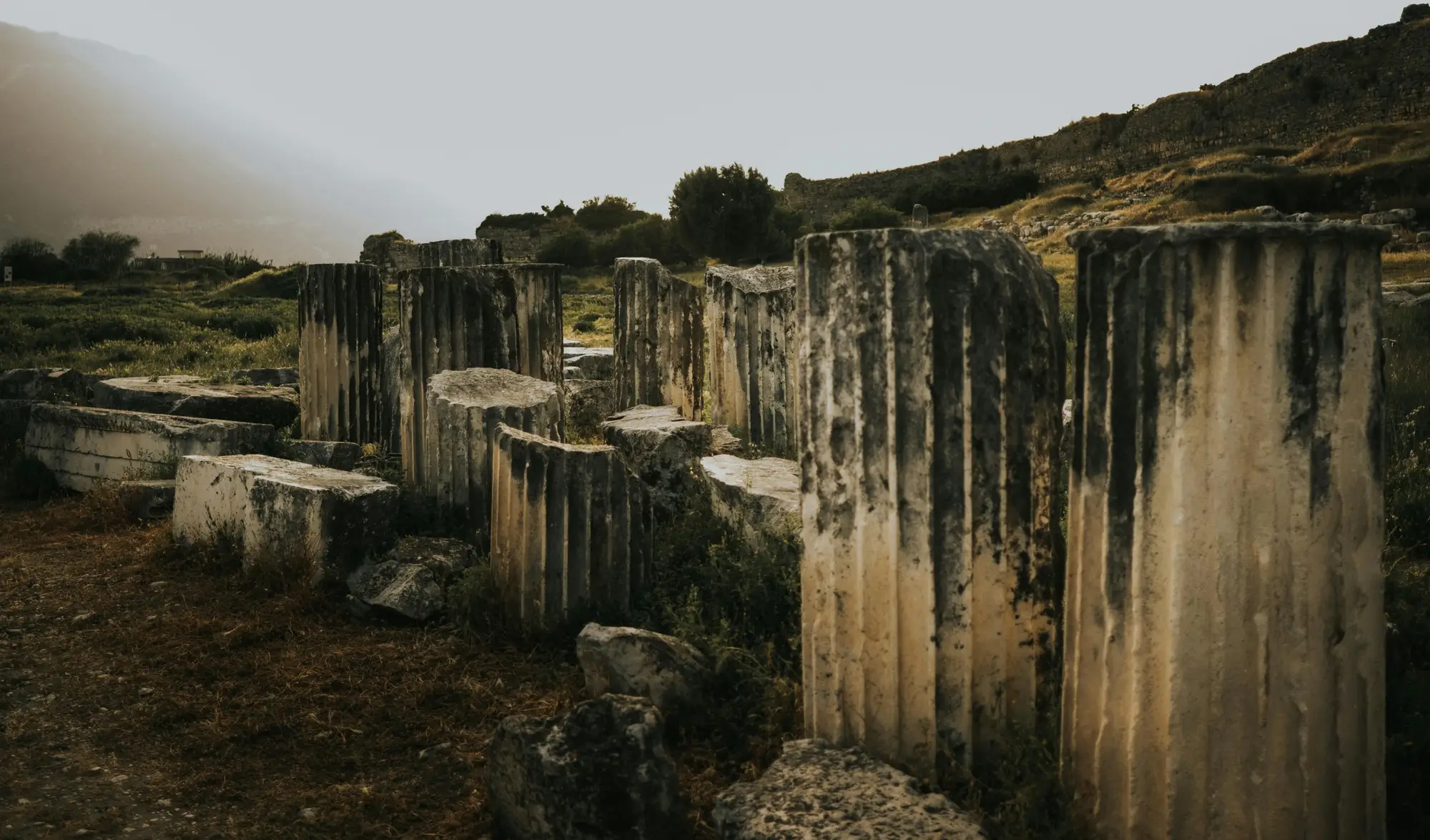
Enhanced protection is a category created by the 1999 Second Protocol to the 1954 Hague Convention. It sits above the general protection every registered cultural property already gets, and it replaces the "special protection" the original Convention offered, which almost nobody used because the eligibility bar was so narrow. States drafted the Second Protocol specifically to make a workable enhanced tier, and the mechanism now runs through a standing Committee rather than a wartime register nobody checked.
If you log damage reports for a ministry of culture, a UNESCO focal point, or a tribunal's evidence unit, the distinction matters for one reason: an attack on a site with enhanced protection status is treated as a more serious violation under the Protocol, with its own criminal provisions attached. Knowing whether the site on your desk carries that status changes what record you need to produce.
Special protection under 1954 vs enhanced protection under 1999
The 1954 Convention's special protection regime required cultural property to be entered in an International Register, to sit a safe distance from any military objective such as an airfield or port, and to avoid any military use. In practice almost nothing qualified, because very few pieces of cultural property anywhere are genuinely isolated from military infrastructure, and the register stalled at a handful of entries decades ago.
The Second Protocol's enhanced protection was built to fix that. It drops the distance-from-military-objectives test and replaces it with a forward-looking commitment: the state with jurisdiction over the property has to declare, and show through domestic law, that the site will not be used for military purposes or to shield a military objective. The Committee for the Protection of Cultural Property in the Event of Armed Conflict reviews that commitment and decides whether to grant the listing.
The three conditions the committee checks
A request for enhanced protection has to satisfy three things before the Committee will grant it:
- the property is cultural heritage of the greatest importance for humanity
- it is protected by adequate domestic legal and administrative measures that recognize its exceptional value and ensure the highest level of protection
- it is not being used, and will not be used, for military purposes or to shield military sites, backed by a formal declaration to that effect
Only property meeting all three goes onto the List of Cultural Property under Enhanced Protection, which UNESCO keeps as secretariat to the Committee. The list stays short by design. Inclusion carries real obligations for the custodian state and for anyone conducting military operations nearby, not just a line on a register.
Why the status changes the record you need after an incident
Article 15 of the Second Protocol makes it a criminal offense, with individual responsibility, to make cultural property under enhanced protection the object of attack, or to use that property or its immediate surroundings in support of military action. That's a stronger hook than general violations carry, which is why confirming the site's listing status should be the first line of any incident file, before anything else gets written down. A report that just says "the building was damaged on the 14th" does far less work than one that ties the damage to a dated, coordinate-matched record of the site before and after, with the enhanced protection listing already on file.
That's the gap the status creates for anyone building an evidentiary record: the legal bar sits higher, so the documentation has to meet it. Heritage Conflict Damage builds that record from event-driven imagery tied to the exact site and date, in place of whatever satellite frame happened to be public that week.
If a site on the List gets hit, start the dated record before the imagery window closes.