2026-10-19
Field notes: the shrine nobody was watching until the morning it was gone
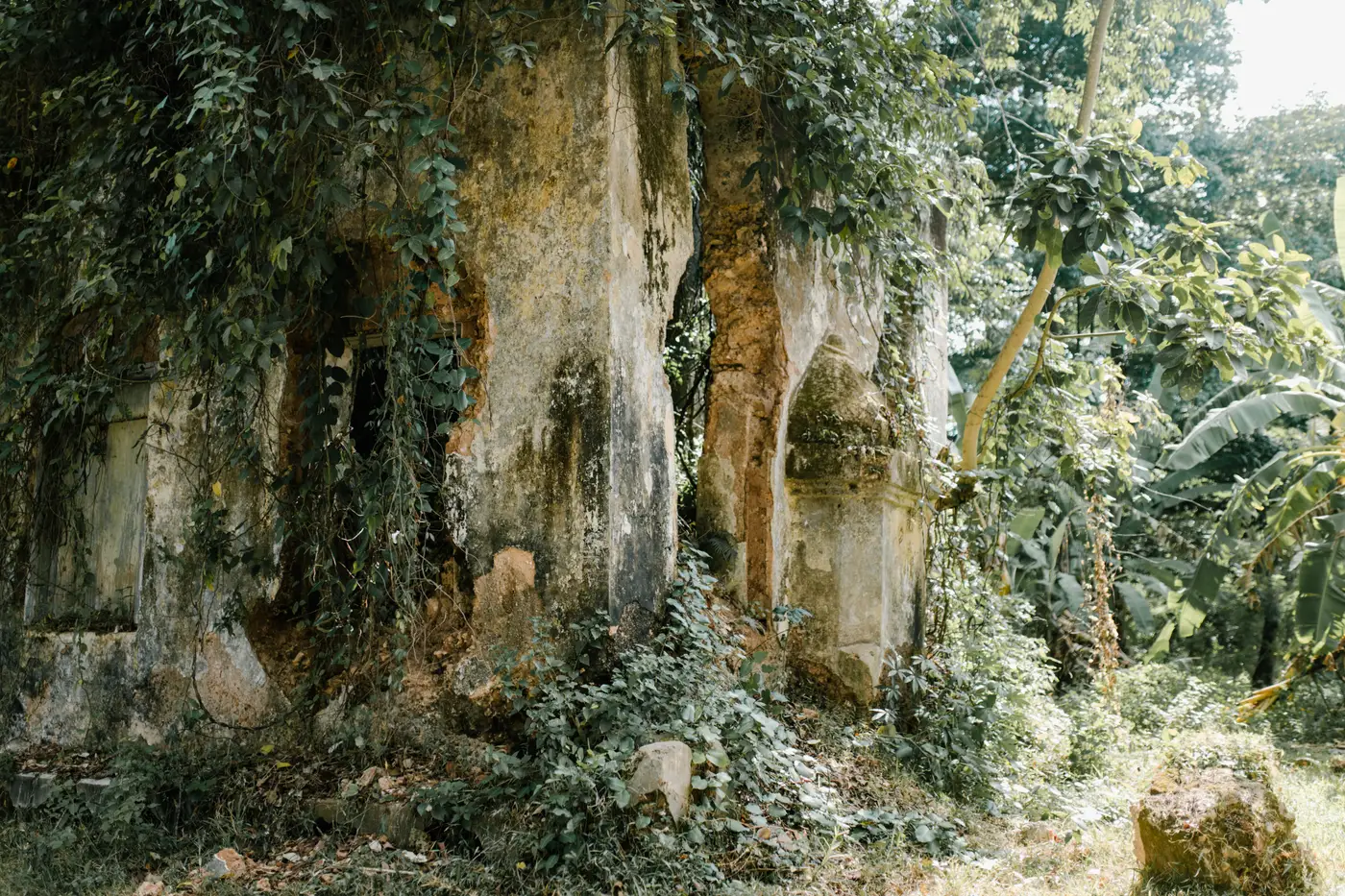
There's a particular kind of entry that shows up in inventory databases everywhere: Category B, tentative list, condition unknown, last surveyed year unspecified. These entries pile up because there are thousands of sites like this and a field team that can physically reach maybe forty of them a year.
I've been thinking about one of these entries for a few weeks now, a small shrine complex that sat on a heritage watch list in a conflict-adjacent province for the better part of a decade. Regional significance, not national. Wooden structure with later stone additions, the kind of mixed-period building that makes dating arguments fun at conferences and irrelevant to the people shelling the area. It had a file. It had photographs from a 2016 condition survey. It did not have anyone looking at it when the fighting moved through in March.
The way these things usually get discovered hasn't changed much in twenty years. A resident posts something. A journalist embedded two provinces over picks it up. Someone at a cultural property desk sees the post three days later, pulls whatever pre-war imagery exists in the shared archive, and starts trying to match a blurry phone photo to a satellite frame from eighteen months prior.
By the time there's a usable before-and-after pair, the file note reads "damage reported, extent unconfirmed, imagery pending." That note can sit for months, sometimes a full reporting cycle.
What strikes me, going back through cases like this, is that the gap isn't a knowledge gap. The desks tracking these watch lists already know which sites are sitting in active or recently active conflict zones. The tentative lists exist. The priority tiers exist. What's missing is the trigger: the thing that says this specific coordinate just became newsworthy, pull current imagery for it now, instead of waiting for someone to notice a social media post and start the archive hunt from scratch.
This is a sequencing problem. The imagery capacity to task a satellite over a few hundred square meters already exists and has for years. What's missing, in most heritage bodies I've talked to, is a standing process that connects an incident report near a protected site to an imagery tasking order, without a person first digging through an email chain to find out who holds tasking authority this quarter. That lag is where the record gets thin, because the documentation arrives late enough that the dated, coordinate-stamped evidence a tribunal or a UNESCO reporting process actually wants isn't there. What's left is a confirmation that something happened, roughly when.
The shrine case resolved, eventually. A field team got photographs on the ground five weeks after the fact, cross-referenced against a commercial frame someone had managed to source from a research contact. It was enough to log the loss. It would not have been enough to establish when the roof came down relative to a specific reported strike, which matters more than it sounds like it should when a damage claim gets contested later.
That's the part of this work that doesn't make it into the condition reports: timing is its own form of evidence. A record that shows the site intact on the 4th and gone on the 11th says something a general "damaged, date unknown" entry never will. This is the gap Heritage Conflict Damage is built to close, pulling event-driven imagery against a specific coordinate the moment an incident is flagged rather than waiting for someone to go looking for it afterward.
The watch lists aren't going to get shorter. But the lag between a report coming in and a dated record existing for that site is the one part of this process that doesn't have to depend on who happened to be paying attention that week.
If your watch list has sites like that shrine on it, it's worth seeing what a record built for that exact coordinate and date would look like.